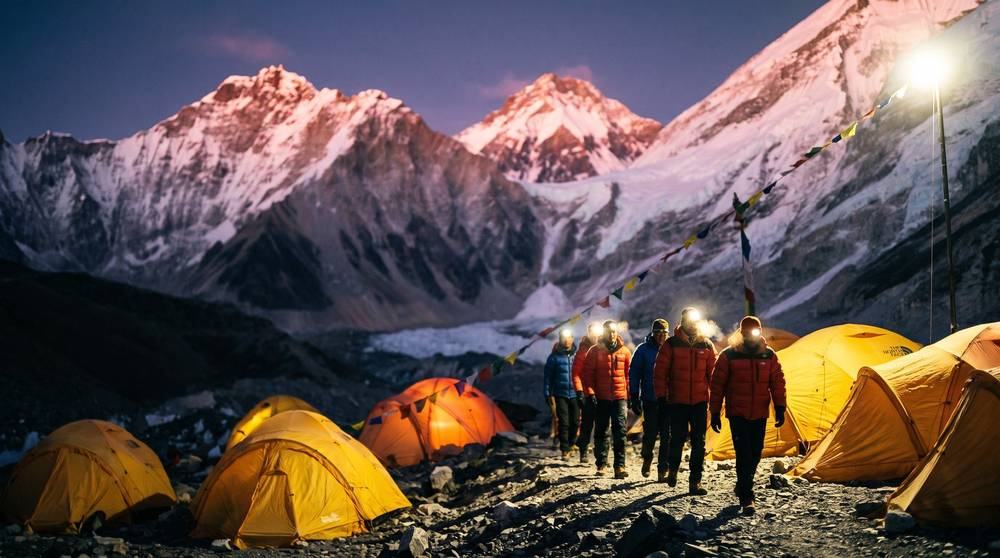
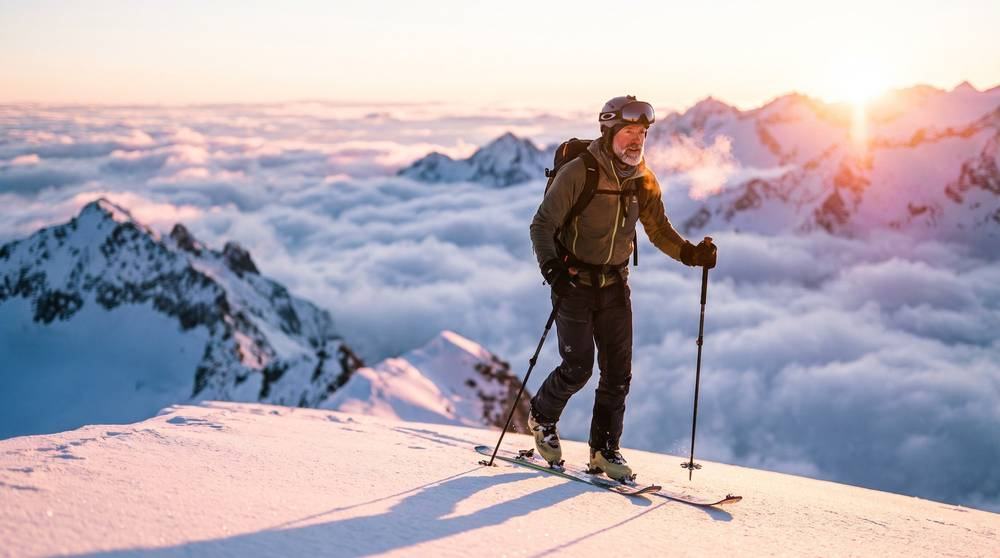
Everest Base Camp, Kilimanjaro, the Haute Route, the Andes. Acclimatise over weeks at home instead of days on the mountain.
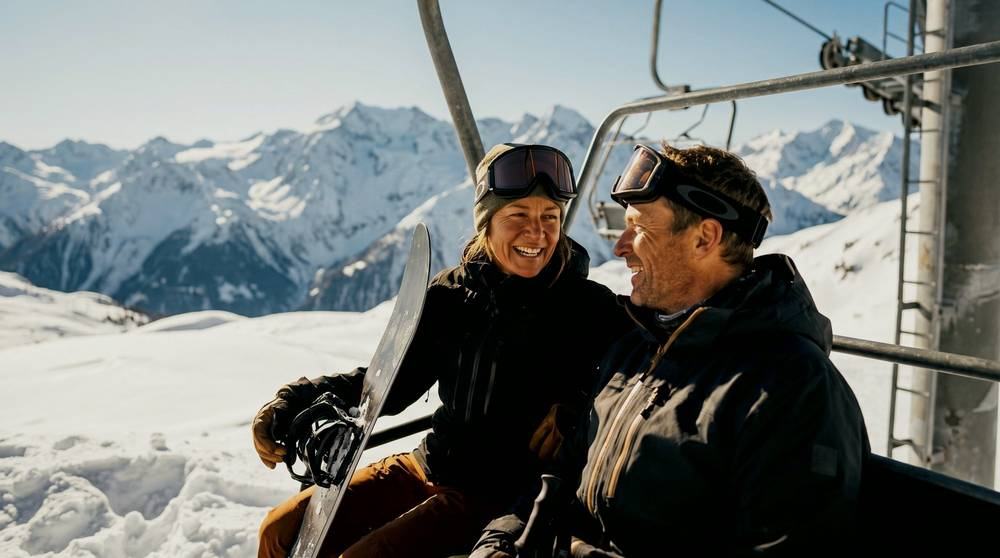
Skiers and snowboarders
More runs before the legs go, a clearer head at 3,000 metres, and a first day that feels like a third.
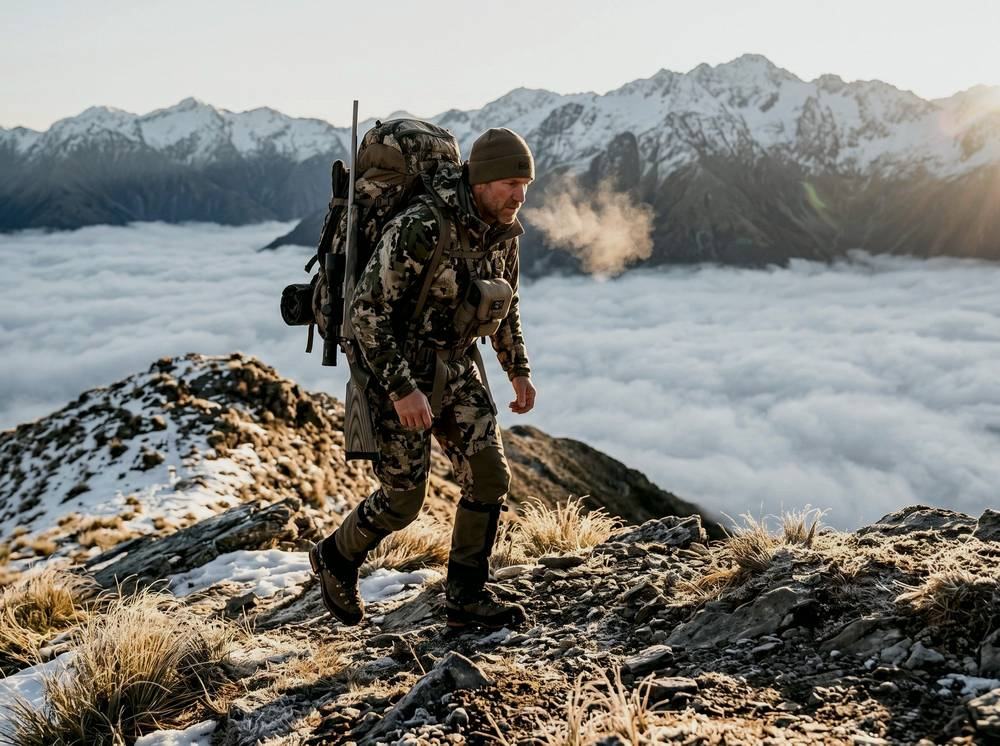
Backcountry and mountain hunters
Days of climbing at altitude with a pack, and the composure to be steady when the moment comes.
Expeditions and endurance
Ultras at altitude, long traverses, remote work at height. Prepare the engine before you leave sea level.
What the room gives you
The hours the mountain takes.
Acclimatise before you leave
Altitude up to about 20,000 ft, at home.
The room lowers the oxygen in the air, not the pressure, so the body adapts the way it does on the mountain. Three or four sessions a week in the month before you go, building up the altitude as you adapt.
More in the tank
A bigger engine for the climb.
In four weeks at Genesis, members improved aerobic capacity by 22% on average. At altitude every breath carries less, so capacity is what gets you to the ridge with something left.
A clearer head
Less of the grogginess.
Low oxygen fogs decisions. In the room you learn to settle your breathing and bring your oxygen number back up in the rest between efforts. That composure travels with you.
Heat as well as height
Ready for the summer hunt and the hot approach.
Infrared heat sessions up to 45°C build heat tolerance. Members at Genesis reported a 30% improvement in four weeks.
Stay out longer
Energy when the moment matters.
Energy rose 32% and sleep 28% in the Genesis group. On the mountain that is the difference between turning back and being there at first light.
Recover between days
Red light in the same room.
Recovery is built into every session, so the week before you leave builds you up rather than wearing you down.
Genesis Health + Fitness pilot, July 2026, 20 club members over four weeks. A single group with no control, so the figures show what members experienced, not proof of cause. Altitude acclimatisation varies by person; speak to your doctor and your guide before any high altitude trip.
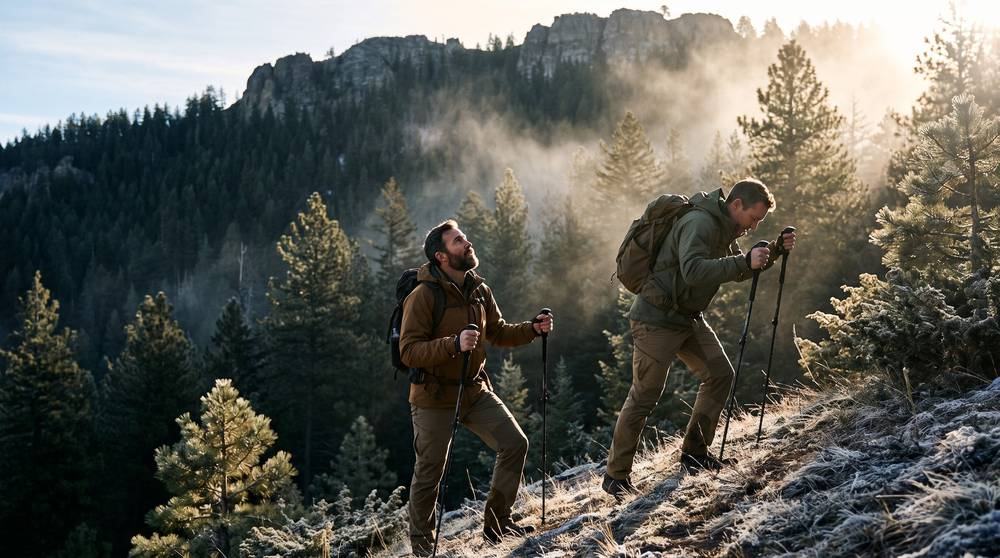
The approach, before dawnA first day that feels like a thirdAbove the cloud line
Where it began
A hunt at altitude can cost six figures. Most of the time the altitude wins.
Five days in the mountains of Central Asia can cost up to half a million dollars, and most years the altitude beats the hunter before the shot. EXALTxp is the answer to one question: what if you could acclimatise at home, in your own room, before you left?
“We've brought the mountains to your back door. That's the problem we've solved.”
Roman Brady, co founder, on the Keep Hammering Collective
Who trains this way
Three people who hunt the high country.
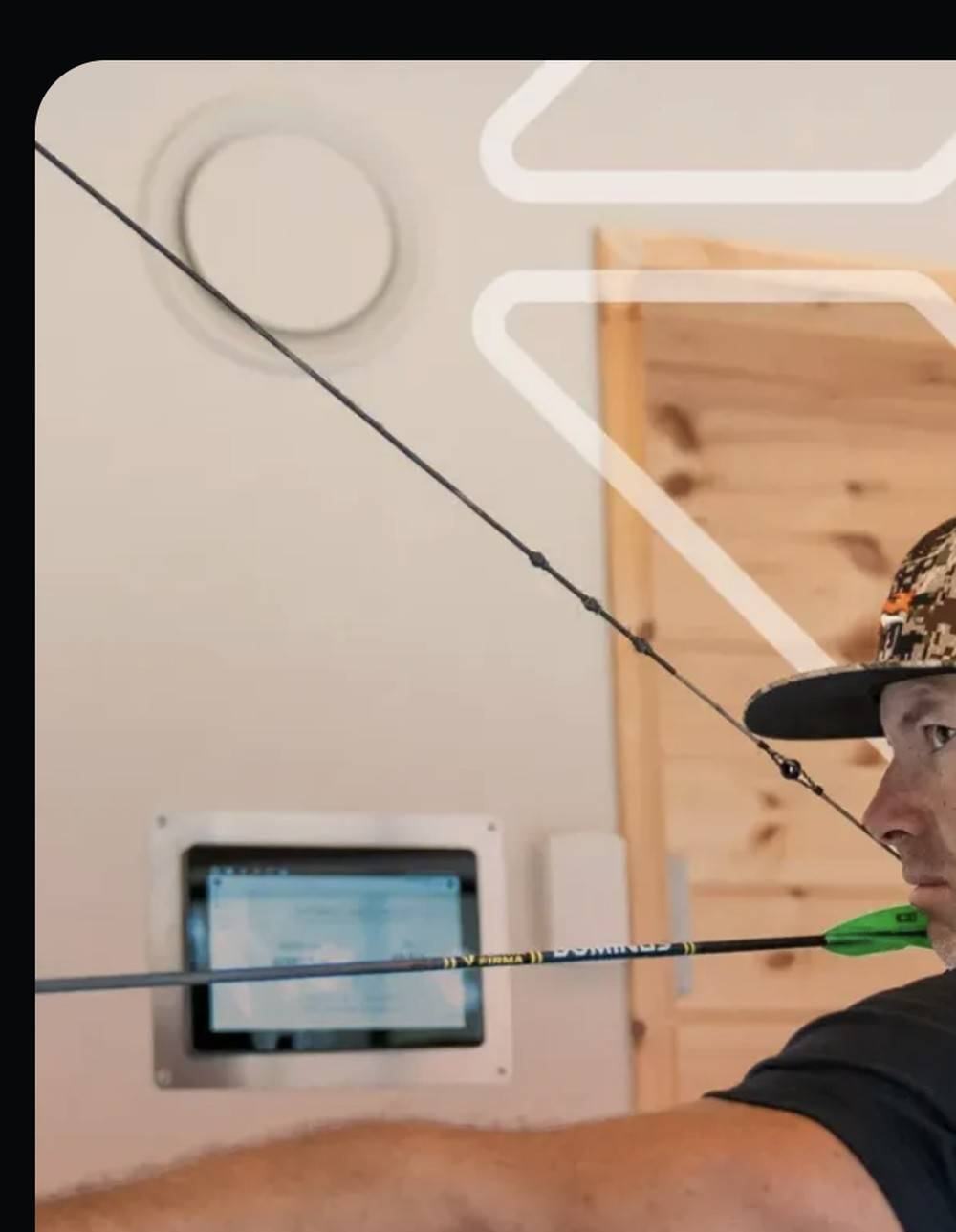
Ultra runner and bowhunter, Oregon
Cameron Hanes
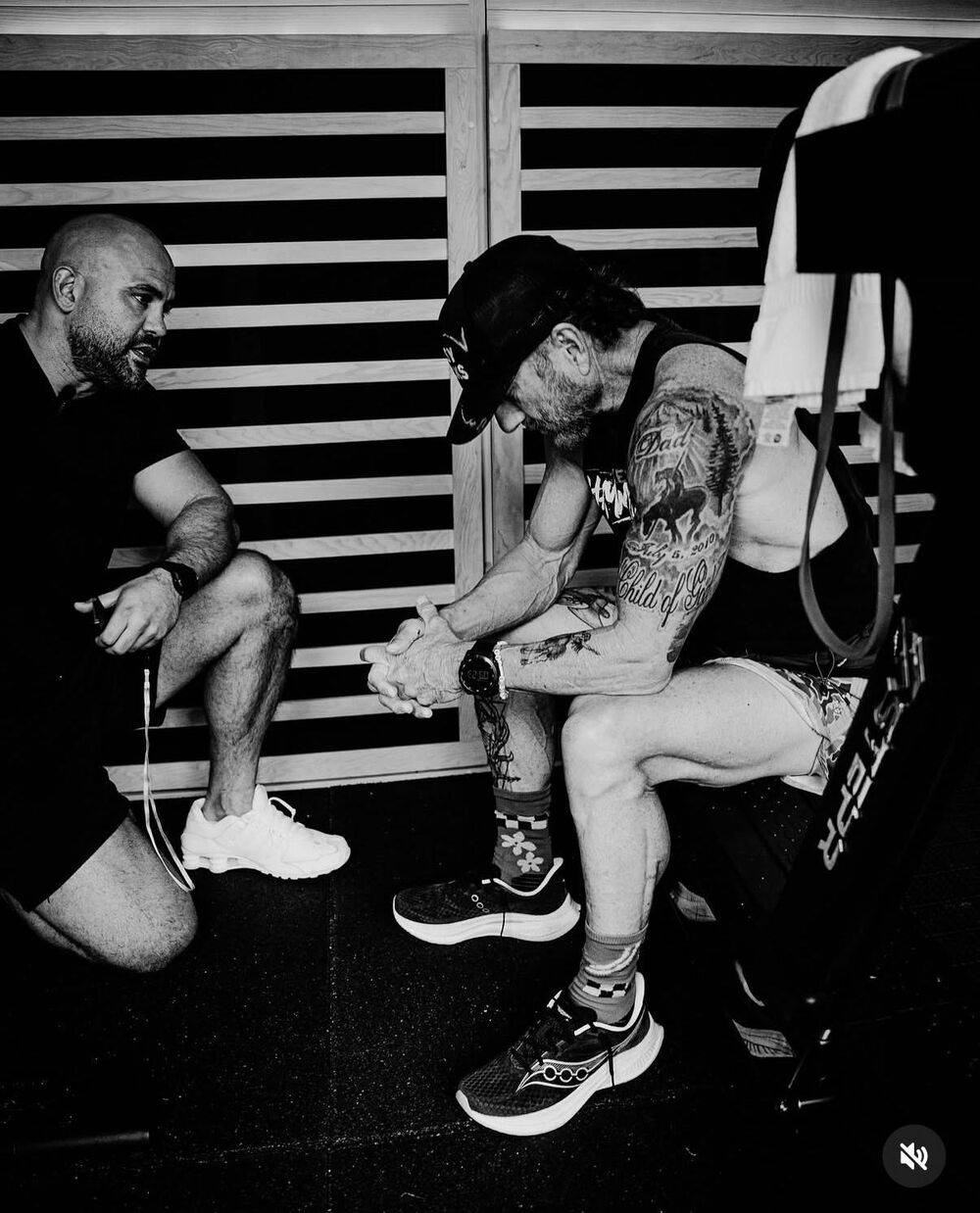
Cam trains in his studio at home in Eugene to build the engine a fast marathon demands and to acclimatise for backcountry hunts. “I got to that place very fast. You're spending more time in that place, and your body has to respond.”
Austin, Texas
Joe Rogan
Joe used his studio twice a week for two months to prepare for a hunt in Utah. “Made a giant difference. Giant difference. I could feel that I had more gas.”
Elite bowhunter, Australia
Adam Greentree
Adam took delivery of the first EXALTxp studio in August 2025 and used it to acclimatise for a backcountry hunt in Utah. “My EXALTxp studio acclimatises me, sharpens my focus, steadies my breathing, and makes me calmer under intensity. It’s become one of the most powerful tools I’ve ever used.”
Joe Rogan is a shareholder in Exalt XP.
The studio
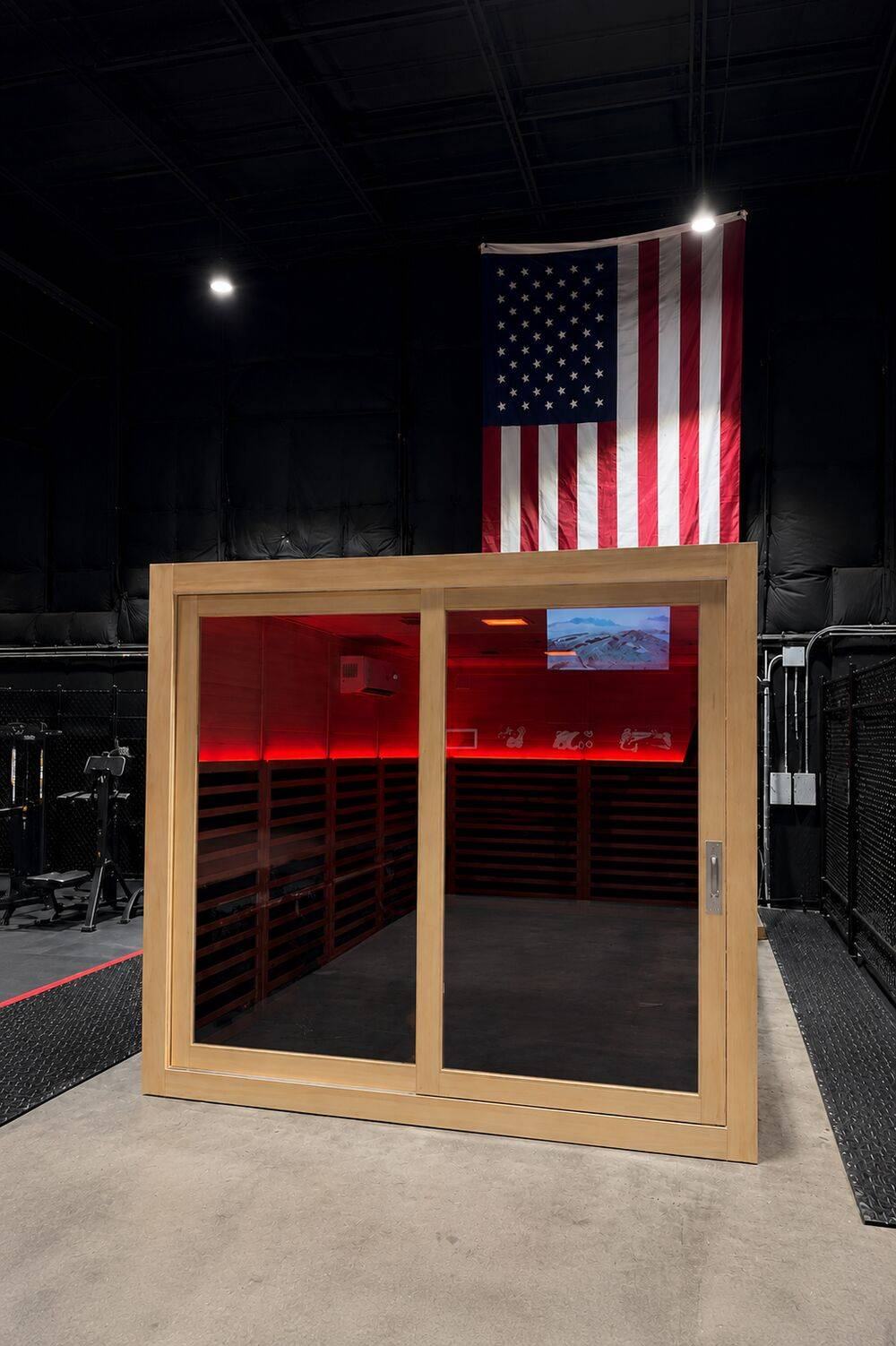
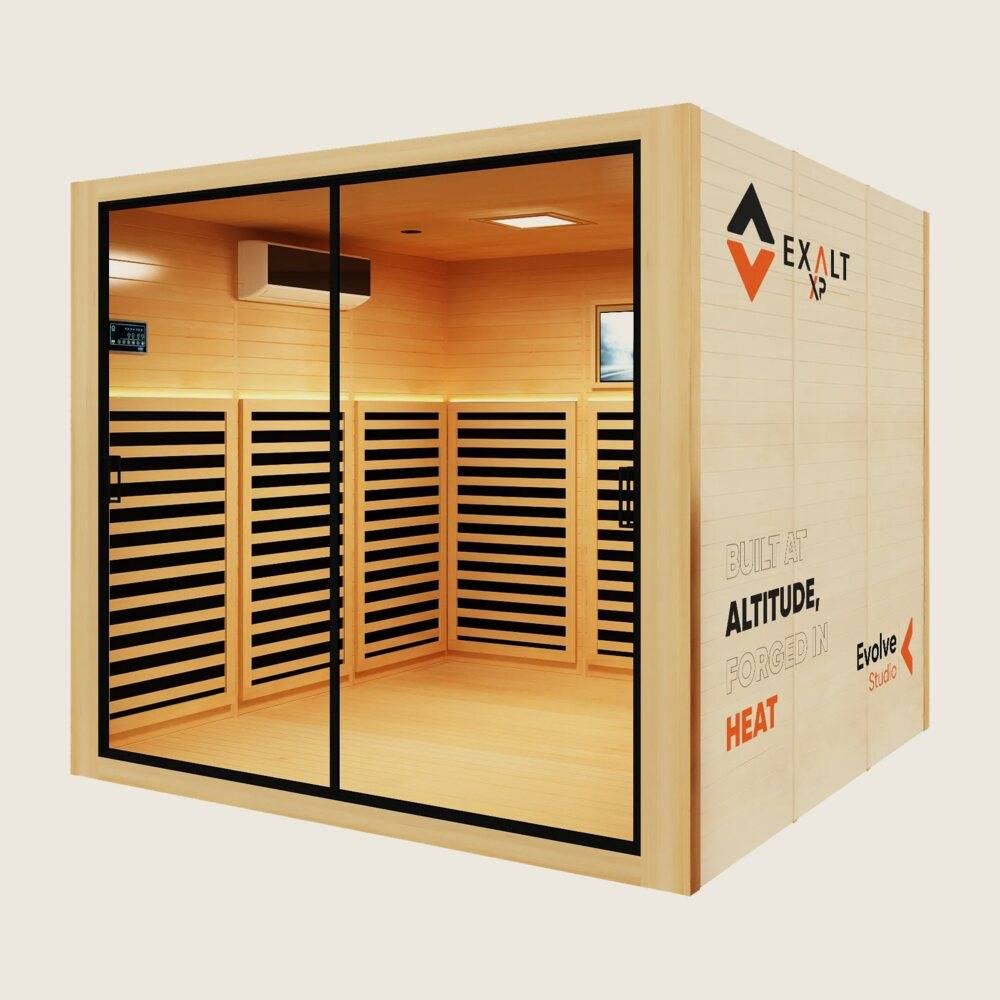
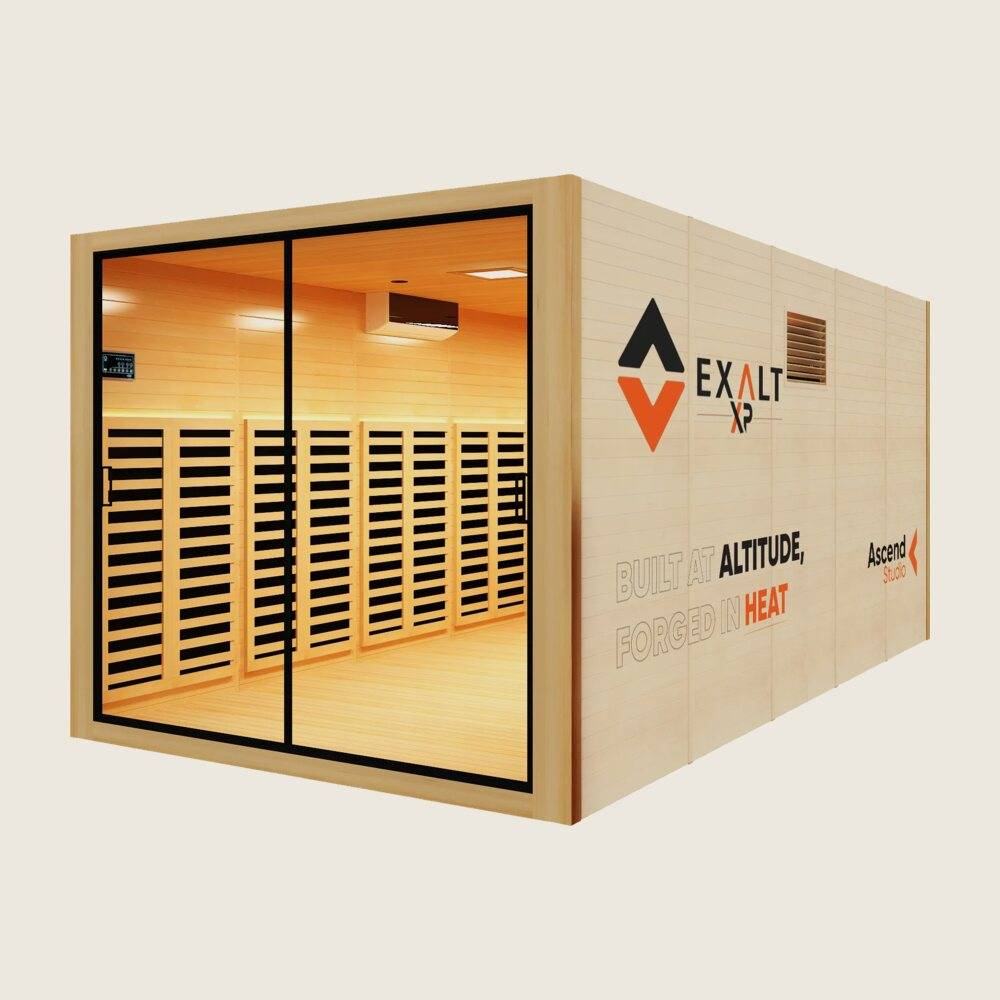
Evolve for two or three. Ascend for the household.
Indoor in the garage or spare room, or the outdoor build beside the house, steel framed for snow and sun.
Which studio fits which space, what the installation involves, what a week of sessions looks like for a household, safety and screening, and what it costs over five years.